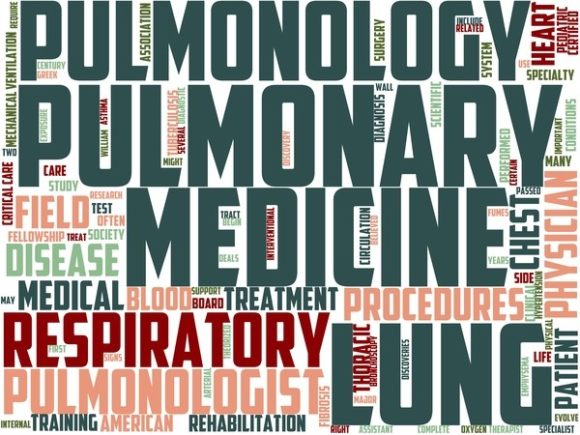
Pneumology Wordart Wallpaper: A Thoughtful Fusion of Science, Art, and Everyday Creativity
At first glance, Pneumology Wordart Wallpaper might sound like a niche design tool—until you hold it in your hands (or open it on your screen) and feel its quiet resonance. This isn’t just another decorative wordcloud. It’s a hand-drawn, color-rich visual translation of pneumology—the medical science of the lungs and respiratory system—crafted with intention, warmth, and versatility. Words like “breath,” “clarity,” “resilience,” “oxygen,” “vitality,” and “stillness” swirl organically amid botanical motifs, soft watercolor textures, and subtle anatomical hints. The result? A design that honors scientific literacy while inviting emotional connection—ideal for educators explaining lung health, wellness brands promoting mindful breathing, or creatives seeking meaning-infused visuals.
Why This Wordcloud Feels Different in Today’s Visual Landscape
We’re living in an era where authenticity competes fiercely with algorithmic polish. Stock imagery feels increasingly generic; AI-generated graphics, while fast, often lack tactile nuance or conceptual cohesion. In contrast, Pneumology Wordart Wallpaper arrives with the quiet confidence of hand-drawn craft—each curve, stroke, and hue placed deliberately. That matters now more than ever. Designers, small-business owners, and content creators are prioritizing assets that communicate care—not just coverage. A yoga studio choosing this wordcloud for a workshop poster signals attention to both physiology and poetry. A respiratory therapist printing it on patient education cards reinforces trust through visual empathy. Even a science educator projecting it during a lesson on gas exchange adds dimension beyond textbook diagrams.
This shift reflects broader habits: people scroll less and linger longer on visuals that feel human-scaled and conceptually grounded. Print-on-demand platforms, digital scrapbooking tools, and DIY textile printers have lowered barriers to personalized production—making hand-crafted assets like this more accessible and actionable than ever before.
From Clinical Term to Creative Catalyst
Pneumology itself has evolved. Once confined to hospital corridors and academic journals, it now lives in wellness apps, air-quality dashboards, breathwork podcasts, and even climate-conscious branding. Public awareness of respiratory health surged during recent global health shifts—and hasn’t receded. People understand that breath is both biological necessity and daily practice. That cultural pivot created space for design that bridges disciplines: not just “medical illustration” or “abstract art,” but something that lives comfortably between them.
Pneumology Wordart Wallpaper responds directly to that need. Its vocabulary avoids clinical coldness (“alveoli,” “bronchioles”) in favor of resonant, inclusive language—words that speak to lived experience. It doesn’t explain mechanics; it evokes atmosphere. That duality makes it unusually flexible: appropriate for a hospital waiting room mural *and* a ceramicist’s limited-edition mug series. Its evolution mirrors how creative professionals now approach subject matter—not as isolated topics, but as layered narratives ready for reinterpretation across mediums.
Practical Use Across Real Workflows
What sets this wordcloud apart isn’t just aesthetics—it’s adaptability built into its structure. Because it’s delivered as a high-resolution, scalable vector or print-ready PNG, it integrates cleanly into diverse production pipelines:
- Textile designers use it as a repeat pattern base for scarves or lounge wear—layering soft blues and sage greens to echo calm breathing rhythms.
- Educators extract individual words to build interactive vocabulary walls or embed them into editable PDF worksheets about pulmonary health.
- Small-batch makers apply it to laser-cut wooden tags for herbal tea blends focused on respiratory support—or pair it with linen pillow covers sold at holistic markets.
- Marketing teams repurpose elements into social media banners for World Lung Day campaigns, combining the artwork with concise, evidence-based tips rather than vague wellness slogans.
- Book designers incorporate subtle background versions into chapter headers for memoirs about healing, recovery, or environmental advocacy—letting form quietly reinforce theme.
Crucially, it works without requiring design expertise. A blogger can drag it into Canva to create an Instagram story about mindful breathing. A nonprofit coordinator can paste it into a volunteer training deck to visually anchor discussions about compassion fatigue and self-regulation. No licensing friction, no attribution demands—just thoughtful utility.
Design Integrity Meets Everyday Function
Unlike many trending wordclouds built from keyword density alone, this one was developed with semantic weight and visual hierarchy in mind. Larger words carry conceptual gravity (“breath,” “life”), while smaller ones offer texture and depth (“pause,” “flow,” “still”). Color isn’t arbitrary: cool tones dominate for calm, but warm accents—like terracotta or muted gold—appear near words tied to energy and renewal. There’s no forced symmetry, yet the composition feels balanced—mimicking the asymmetrical elegance of human lungs themselves.
That integrity translates into longevity. You won’t tire of it after three uses. Because it avoids trend-chasing tropes—no neon gradients, no overused serif fonts, no ironic juxtapositions—it holds up across seasons, audiences, and applications. A business card printed with a cropped corner of the design reads as confident, not cluttered. A notebook cover featuring the full layout invites reflection, not distraction.
Where Craft Meets Context
Today’s most effective creative work doesn’t shout—it aligns. It meets people where they are: balancing professional demands with personal well-being, navigating complex information with clarity, and seeking beauty that also means something. Pneumology Wordart Wallpaper fits that moment because it refuses to be only decorative or only didactic. It’s both—and neither exclusively.
Consider a physical therapist designing post-rehabilitation guides. Instead of defaulting to stock photos of smiling people doing stretches, they layer this wordcloud behind clean typography explaining diaphragmatic breathing. The result feels grounded, respectful of the patient’s journey, and quietly uplifting. Or imagine a sustainability brand launching reusable face masks. Printing this design on fabric lining transforms a functional item into a gentle reminder of interdependence—between breath and air, health and environment, science and stewardship.
These aren’t hypotheticals. They’re reflections of how practitioners across fields are rethinking visual communication—not as decoration, but as contextual scaffolding. Assets like this wordcloud succeed because they support understanding, not replace it.
A Resource That Grows With You
Its value multiplies over time. Start with a simple application—a printable affirmation card, a sticker for your laptop—and discover new uses as your needs evolve. An educator might begin by projecting it during lessons, then later commission a local printer to turn it into classroom posters. A jewelry designer could sketch a pendant based on the “oxygen” motif, then expand into a full collection inspired by respiratory anatomy and metaphor. Even software developers building health-tracking apps have used simplified versions as UI elements—subtle, meaningful, and non-distracting.
That scalability isn’t accidental. It’s built into the hand-drawn origin: organic lines invite interpretation, not rigid replication. The colors are rich but not oversaturated—designed to reproduce faithfully across screen, ink, thread, and clay. And because it centers universally resonant concepts—not fleeting slang or platform-specific references—it remains relevant whether you’re creating in 2024 or 2030.
In a world saturated with visual noise, Pneumology Wordart Wallpaper offers something rare: clarity with warmth, precision with playfulness, science with soul. It doesn’t ask you to choose between intelligence and inspiration. It assumes you want—and deserve—both.