Polemology Wordart Background
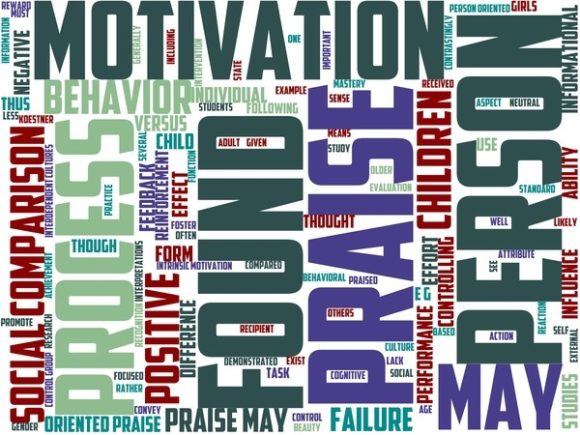
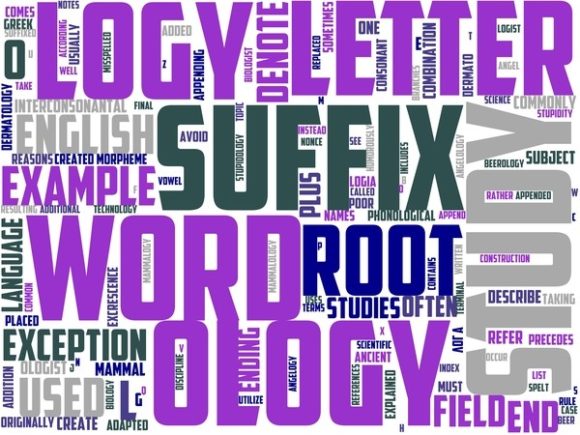
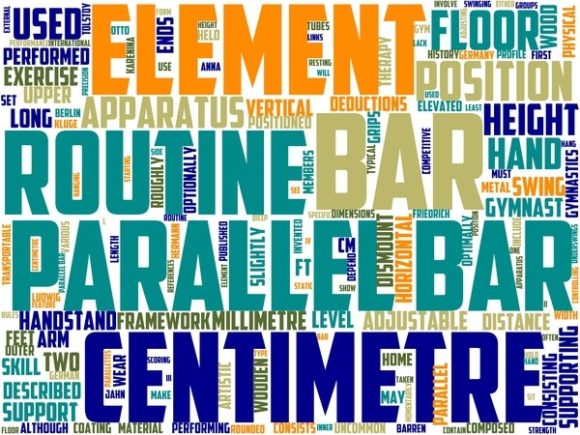
At first glance, the Polemology Wordart Background looks like a joyful explosion of language and color — a hand-drawn, vibrant wordcloud where every term flows organically into the next. But it’s more than decoration. It’s a flexible visual tool rooted in thoughtful design: each word is carefully chosen, sized for emphasis, and arranged to balance rhythm and meaning. Unlike algorithm-generated clouds, this one carries intention — crafted by hand, not code — making it feel personal, warm, and deeply human.
Why This Wordart Background Resonates Across Roles
What makes the Polemology Wordart Background useful isn’t just its aesthetic — it’s how it adapts to different ways people think, work, and create. A teacher might see vocabulary reinforcement; a small business owner might spot branding potential; a textile designer may imagine it printed on organic cotton tote bags. Its strength lies in that quiet versatility — no single use case defines it, and no audience needs to “unlock” it with special software or training.
For Beginners & Hobbyists
If you’re just starting out with DIY projects or exploring creative expression, the Polemology Wordart Background lowers the barrier to entry. You don’t need design experience to layer it onto a notebook cover, resize it for a greeting card, or trace its outlines for embroidery. Its hand-drawn texture feels forgiving — imperfect in the best way — which helps ease the pressure many newcomers feel about “getting it right.”
Try printing it at 50% scale onto kraft paper for handmade gift tags, or scan it into your tablet and use it as an underlay while sketching new lettering styles. Because it’s clean and high-resolution, it holds up whether you’re cutting vinyl for a wall decal or watercolor-painting over a photocopy.
For Educators & Content Creators
Educators often seek visuals that spark curiosity without overwhelming students. The Polemology Wordart Background works well in lesson plans, slide decks, or printable reflection sheets — especially when teaching themes like resilience, creativity, community, or growth mindset. Words like “curious,” “listen,” “imagine,” and “together” aren’t randomly placed; their prominence invites discussion, not just passive viewing.
Bloggers and podcasters use it subtly — as a watermark behind quote graphics, or cropped into social media banners — to reinforce tone without shouting. One literacy coach told us she prints it on transparency film and layers it over student writing samples during peer review, helping learners notice patterns in language use across their own work.
For Designers & Small Business Owners
Professional designers appreciate that this background doesn’t compete — it supports. Its balanced density and open spacing mean text overlays remain legible. Its color palette (often soft yet saturated) pairs easily with both minimalist and maximalist layouts. And because it’s delivered as a vector-ready file or high-res PNG, it scales cleanly from business card size to 48-inch trade show banner.
Small business owners use it in unexpected places: stitched onto aprons for a café’s staff uniforms, embossed on soy-based packaging for eco-conscious skincare lines, or animated gently behind product demos on Instagram Reels. One ceramicist embedded the wordcloud into her glaze pattern using transfer paper — turning functional mugs into quiet conversations about craft and care.
For Marketers & Publishers
In marketing, consistency matters — but so does freshness. The Polemology Wordart Background offers both: a recognizable visual anchor (the hand-drawn style, recurring thematic words) that can be adapted seasonally or by campaign. Swap out a few key terms — “launch,” “connect,” “explore” — and it becomes a fresh invitation for a webinar series. Adjust hue shifts to match brand refreshes without losing identity.
Publishers integrate it into ebook chapter dividers, magazine pull-quotes, or even as foil-stamped motifs on limited-edition book covers. Its non-linear layout avoids the rigidity of grids, giving editorial design room to breathe — especially valuable in long-form storytelling where visual pacing supports narrative flow.
What Matters Most — And How That Shifts
Not everyone evaluates a wordart background the same way. Your priorities shape what “works” for you:
- Ease of use matters most if you're adding visuals to weekly newsletters or classroom handouts — and the Polemology Wordart Background imports smoothly into Canva, Google Slides, and Adobe Express.
- Commercial flexibility is essential for entrepreneurs selling physical goods — and yes, it includes broad commercial license coverage, including resale on apparel and home goods.
- Creative integrity matters to illustrators who want to build upon, not replace, their own voice — and its hand-crafted nature invites collaboration, not replacement.
- Long-term relevance counts for educators and curriculum designers — and because its themes are timeless (not trend-dependent), it stays useful across school years and program updates.
You don’t need to optimize for all these at once. A scrapbooker might prioritize texture and print fidelity. A UX writer might test how well its layout guides eye movement during user testing debriefs. A jewelry maker might isolate single words to laser-cut into pendant charms. Each use is valid — and each reveals something different about what the background can do.
Real Projects, Real Decisions
Here’s how people actually choose — and use — the Polemology Wordart Background:
- A freelance illustrator layered it beneath hand-lettered affirmations for a mindfulness coloring book — then removed the background entirely for the final line-art version, keeping only the structural rhythm it provided.
- A nonprofit used a modified version (with translated keywords) in bilingual community outreach posters — adjusting contrast for accessibility without losing warmth.
- A university department printed it on recycled fabric banners for orientation week, pairing it with QR codes that linked to student support resources — proving it bridges digital and physical spaces.
- A parent turned it into a collaborative art project: kids colored individual words, then assembled them into a giant poster for their classroom door — showing how it invites participation, not just consumption.
If your goal is to add meaning — not just decoration — to everyday objects and experiences, the Polemology Wordart Background fits naturally. It doesn’t demand attention. It earns it — quietly, consistently, and in ways that grow with you.