New Orleans Wordart Background
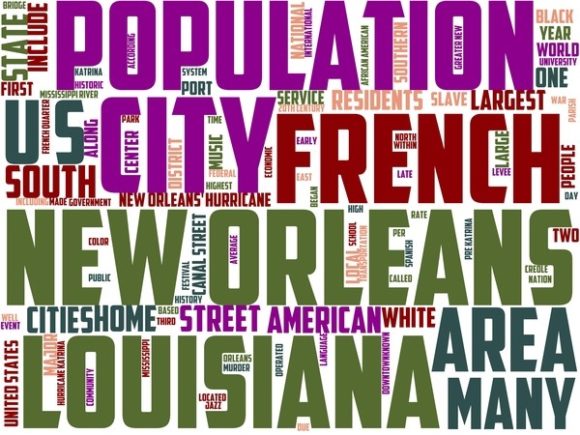
Imagine a vibrant, hand-drawn wordcloud—alive with color, rhythm, and personality—where “jazz,” “gumbo,” “festival,” “bayou,” “voodoo,” “creole,” and “Mardi Gras” swirl together like steam rising off a beignet. That’s New Orleans Wordart Background.jpg: a high-resolution, ready-to-use digital file designed not just as decoration, but as creative fuel.
It’s not a generic template or AI-generated filler. Every word is thoughtfully placed, every curve hand-illustrated, every hue chosen to echo the warmth of St. Charles Avenue at golden hour or the electric pulse of Frenchmen Street after dark. The background is transparent-friendly (clean edges, no compression artifacts), sized for versatility—ideal for both screen and print—and optimized for easy layering in design tools like Canva, Photoshop, Illustrator, or even free editors like Photopea.
Why This Matters—Depending on Who You Are
What makes New Orleans Wordart Background.jpg useful isn’t universal—it shifts meaning based on your role, goals, and context. A teacher planning a Louisiana history unit doesn’t need the same features as a boutique owner launching a Mardi Gras pop-up. Let’s break it down.
For Educators & Students
You’re building lesson plans, classroom posters, or student project templates. Here, clarity and cultural resonance matter more than pixel-perfect scalability. With New Orleans Wordart Background.jpg, you can drop it into a slide deck to spark discussion—or print it large for a bulletin board titled “Voices of the Crescent City.” No licensing worries: it’s safe for educational use, including school newsletters and student-made zines. Bonus? The hand-drawn style feels approachable—not intimidating—to middle-schoolers sketching their own word clouds about local ecosystems or civil rights landmarks.
For Small Business Owners & Local Makers
If you sell handmade potholders in Bywater or curate vintage New Orleans postcards online, authenticity is your currency. This wordart background doesn’t shout “stock graphic.” It whispers “I know this place.” Use it behind your shop banner, wrap it around a limited-edition coffee sleeve, or layer it subtly under your logo on packaging. Because it’s JPG (not vector), it’s instantly usable—even if you’ve never opened Adobe software. No learning curve, no extra plugins. Just drag, resize, and go.
For Designers & Freelancers
You care about flexibility and fidelity. Yes, it’s a JPG—but it’s 300 DPI, RGB-optimized, and built with generous negative space so text overlays stay legible. You’ll appreciate how cleanly it masks over photos (try it over a blurred shot of Jackson Square) or how smoothly it scales for a 4’x8’ festival banner. And because the words are arranged organically—not rigidly aligned—you can crop tightly into a corner detail for a custom textile repeat or isolate “second line” and “brass band” for an event flyer headline treatment.
For Hobbyists & DIY Enthusiasts
You’re printing onto fabric for throw pillows, cutting vinyl for a porch sign, or decorating mason jars for a neighborhood crawfish boil. New Orleans Wordart Background.jpg works in Cricut Design Space and Silhouette Studio without conversion headaches. Its bold outlines hold up well when printed on cotton or transferred to ceramic. No need to trace or redraw—the shapes are already intentional, expressive, and resilient across mediums.
What to Consider Before You Use It
Not every project needs this exact asset—and that’s okay. Ask yourself:
- Ease of use? If you’re opening it in Canva for the first time, yes—it loads instantly, resizes smoothly, and blends with built-in filters (try “Warmth” or “Fade” for subtle depth).
- Commercial safety? It’s licensed for unlimited personal and commercial use—including physical products you sell and digital promotions you run. No attribution required, though crediting the artist is always welcome.
- Creative fit? Does your brand voice lean playful and textured—or sleek and minimal? This wordart leans joyful, human-scaled, and tactile. It won’t suit a law firm’s annual report—but it’s perfect for a food truck’s Instagram story or a literacy nonprofit’s community mural concept.
- Long-term value? Unlike trend-driven graphics, this draws from enduring cultural touchstones: music, food, language, geography. It won’t feel dated next year—or five years from now—because it’s rooted in place, not platform algorithms.
Real Projects, Real Uses
Here’s how people are actually using it—no hypotheticals:
- A Baton Rouge teacher printed it on cardstock, cut out individual words, and turned them into vocabulary matching cards for ESL students learning regional terms.
- A Nashville-based apparel brand layered it beneath distressed typography on a unisex tee—“Born to Jazz”—and sold 127 units in three days.
- A freelance illustrator used the “streetcar,” “oak,” and “iron lace” clusters as reference for linocut textures in a New Orleans travel journal series.
- A wedding planner embedded it into a digital invitation suite—scaled down, faded to 15%, and set behind names and dates—for a couple hosting their reception at Longue Vue House.
- A librarian created a “Summer Reading Passport” where kids stamped each completed book onto a small version of the wordcloud—turning reading into a visual journey through the city.
Does It Fit Your Next Step?
If you’re choosing assets for a project right now, consider your next action:
- You need something immediately usable, not something you’ll spend hours editing—New Orleans Wordart Background.jpg is ready in seconds.
- You want to evoke feeling—not just inform—so tone, texture, and cultural nuance matter as much as layout.
- You’re working across formats: digital screens, printed paper, fabric, ceramics, or vinyl. This file holds up consistently.
- You value work that reflects real places and lived experiences—not abstractions or clichés.
It won’t replace a custom illustration commission. It won’t generate animated SVGs. But if your goal is to bring warmth, identity, and intention to everyday creative work—from a child’s school project to a small-batch product launch—this background does exactly that. Quietly. Colorfully. Unmistakably New Orleans.